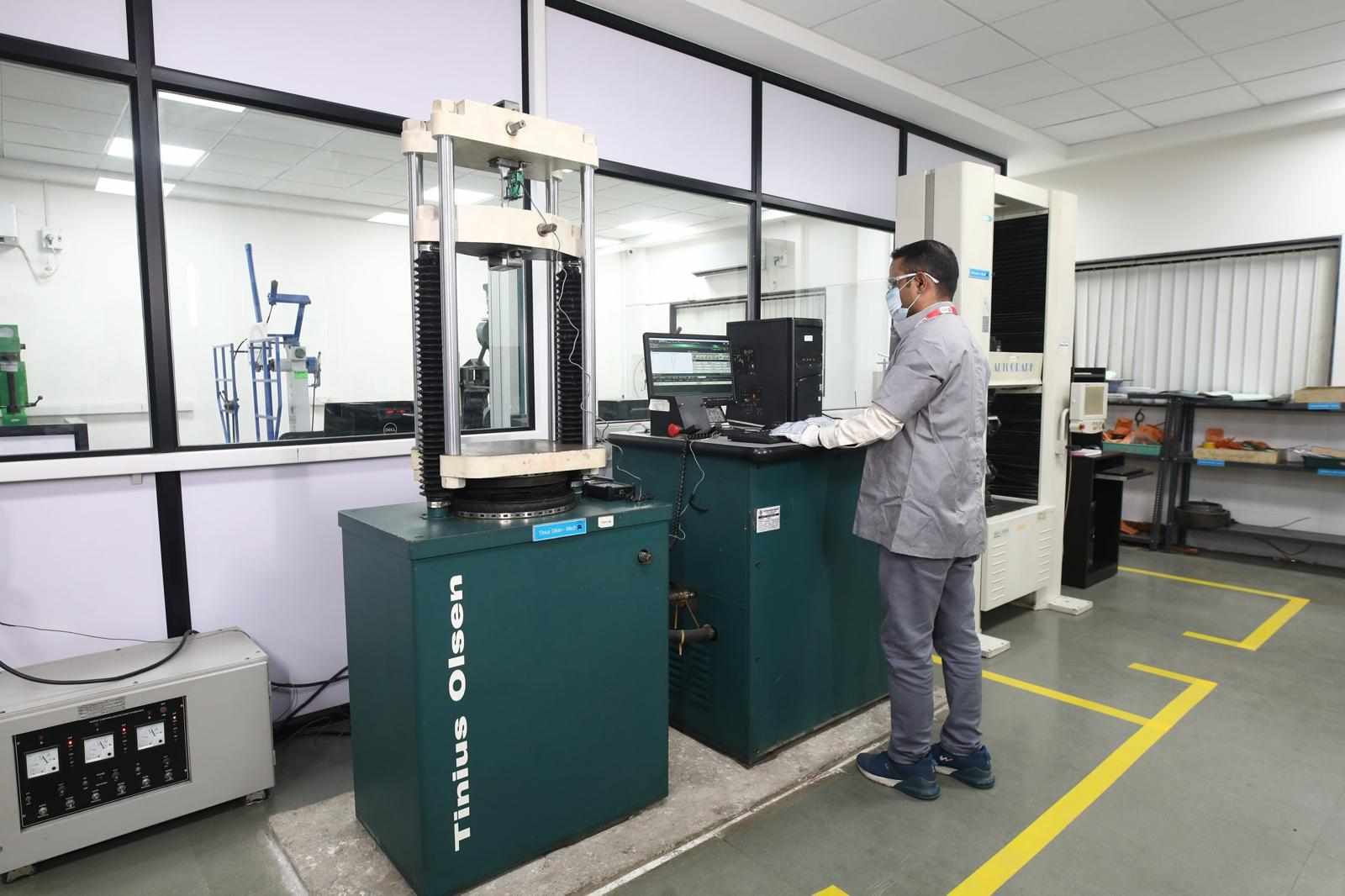
Accurate testing plays a vital role in ensuring that industrial components meet safety and performance standards. Modern test machines are designed to simulate real-world conditions, allowing engineers to evaluate how materials and products perform under different loads, pressures, or stresses. These systems provide valuable insights that help improve design quality and prevent potential failures during operation.
Every testing setup is developed with precision engineering to deliver consistent, repeatable, and traceable results. The data gathered helps manufacturers confirm product durability, identify weak points, and validate production quality before deployment. Because of their reliability and flexibility, test machines have become essential tools across industries such as construction, automotive, aerospace, and heavy engineering.
Ease of use and operator safety are core priorities in advanced testing systems. With digital interfaces, automated controls, and secure testing chambers, these machines make the evaluation process efficient and dependable. Engineers can perform detailed assessments without compromising accuracy or safety, reducing downtime and streamlining testing workflows.
Another advantage of modern testing equipment is adaptability. From small component testing to full-scale assemblies, these systems can be configured for various load capacities and specifications. This versatility allows companies to meet evolving standards and deliver high-quality products that perform reliably in the field.
Investing in dependable test machines demonstrates a commitment to product excellence and compliance. Consistent testing ensures that each component meets performance expectations and maintains integrity under operational stress. It also supports predictive maintenance efforts by detecting issues before they become costly problems.
By combining precision, technology, and ease of operation, today’s test machines enable industries to achieve higher levels of quality control. They form the foundation for safer, more efficient, and more reliable production processes — ensuring that every part, material, and system is built to last.


Write a comment ...